What are core muscles?
Core muscles are a group of muscles acting as stabilisers. To move, your body needs a stable base as a foundation. Think of the roots of a great oak tree, to reach out its branches it needs a strong foundation. In our bodies this strong foundation is provided partly by core muscles. Each time we move our limbs away from our body, bend, twist or lift, our trunk muscles need to work together to control and power the movement.
Good core stability allows you to move freely. Poor core stability is linked to pain and dysfunction.
When we think about core stability, we are looking at the balance of:
- Spinal mobility and joint stability: Pain, injury, arthritis and stiffness can all affect this.
- Abdominal muscles: the strength and balance of deep transverse abdominis muscles, and more superficial obliques and rectus abdominis.
- Global muscles: the balance of other associated muscles, the hamstrings for example
- Diaphragm: your breathing muscle. This is why Pilates includes a focus on breathing.
- Pelvic Floor muscles: you can find out more about these here
- Control and co-ordination of movement: how good our neurological systems are at linking all of the above together in a functional movement.
What about stability in other parts of our body?
Like, we have learnt above, core muscles aren’t a single group of specialist tissues. Most of your muscles have roles in providing stability from which joints can move and muscles can generate power. The more mobile the area, the more complex the stability needs to be. Shoulders, hips, and spines are some of the most talked about areas.
But even when we are looking at local stability, around the shoulder for example, we need to look at the control of the trunk too. Good muscle balance starts with a firm foundation around the middle. For example, if you want the strength to dig a big hole you need the strength in your hand and arm to dig, but if you are trying to do it standing on one leg in stilettos that wobbly base is really going to let you down. Pilates will help you to address the whole movement chain.
How can Pilates Help core stability?
Pilates uses strength work, stretches and movement control exercises to create balanced programme, focusing on the trunk and spine.
Traditionally the Pilates method focuses on using breathing and the deepest abdominal muscles in a series of exercises. Pilates has a heavy focus on the transverse abdominis muscle. Dysfunction of this muscle has been linked to lower back pain. But the strength of this muscle is just a small part in the function of a healthy spine.
Pilates works on the deepest muscles first and works it way up and outwards through the core muscles.
How can Physiotherapist Led Pilates Help?
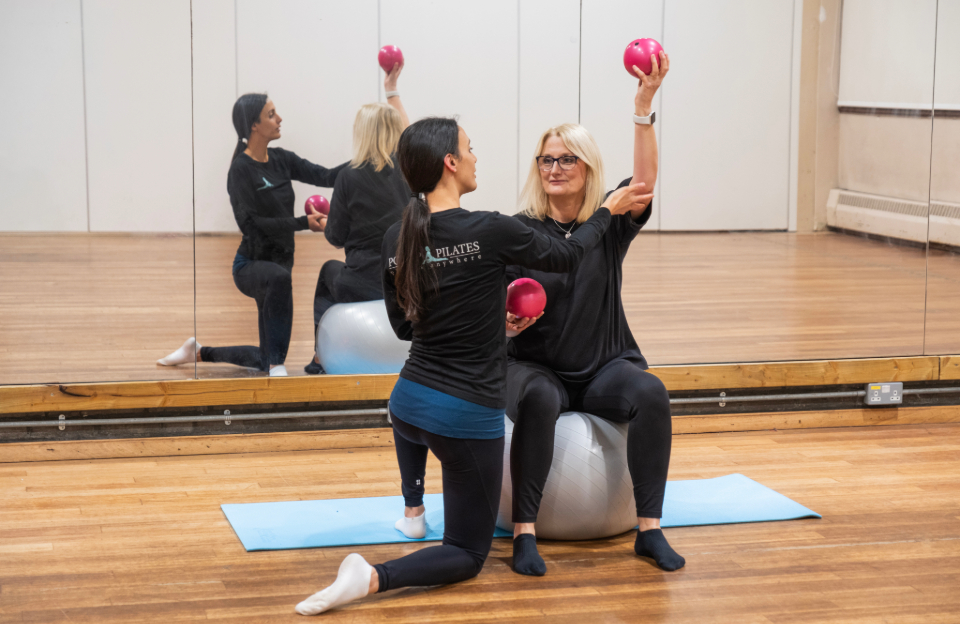
Physiotherapy led Pilates can go even further. Our clinical experts will develop progressive programmes that address all aspects of core stability. Our classes form bitesize bits in a comprehensive course programme, personalised for you.
Physiotherapists use assessments to understand the areas that are problematic for you. They can then adapt your programme to work on the right muscles for you.
Maybe your deep muscles have been limited by back pain, pregnancy, surgery or inactivity. Maybe your core stability is affected by tightness in your spine or hip muscles. Or perhaps you overwork your obliques, or another global muscle to compensate for a weakness elsewhere. By understanding your movements, physiotherapist can tailor your training. Pilates is most effective at improving your core stability when it helps you work on the right bits for you.
What about Pop up Pilates?
Our mobile classes mean that programmes to address core stability can be brought to your doorstep. We remove the barriers to classes – making them convenient, local and affordable.
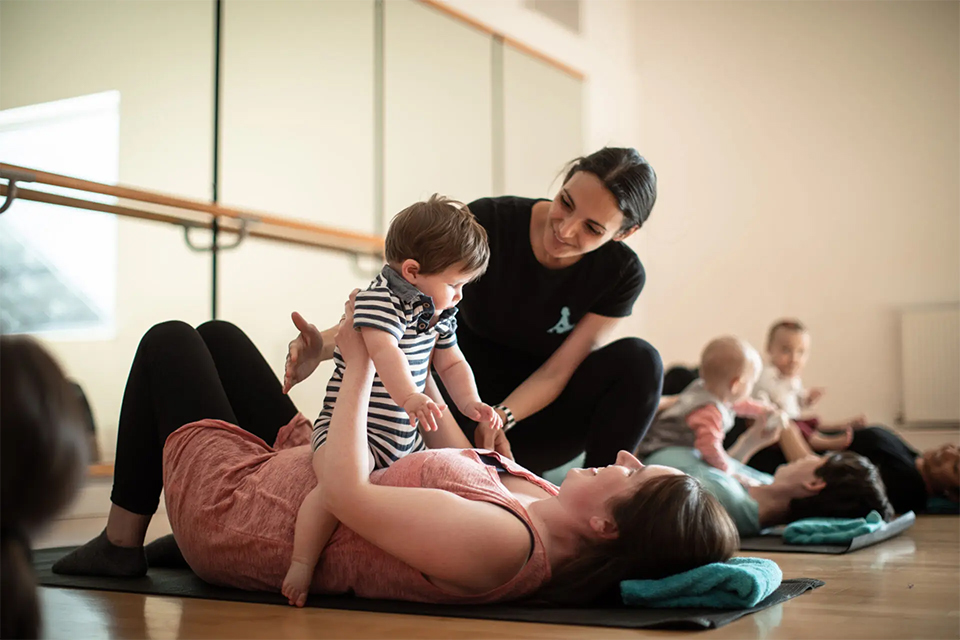
We have specialist classes for those at risk of certain types of problems. Pregnancy classes, postnatal classes, classes for older adults or beginners. Find out more about the types of classes we run here.
Our team are experts in different areas. We can match you with an instructor that suits your needs. Meet our team and find out more.
We also offer 1:1 tuition for the total focus of our instructors attention and programmes built around your needs and timetable. Find out more and book here.