Benefits of Pilates
We think Pilates is brilliant. This is why so many of our physiotherapist team have chosen to specialise in it. Pilates exercise therapy is a highly effective, proactive and enabling tool for us all to improve physical health, and mental wellbeing. But don’t just take our word for it. This term we are looking into the developing body of research into the benefits of Pilates.
What are the benefits of Pilates?


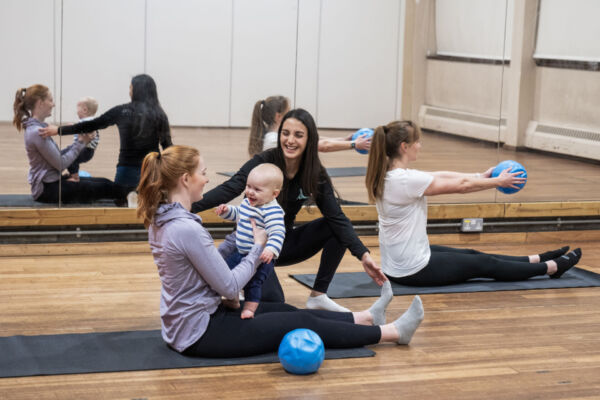
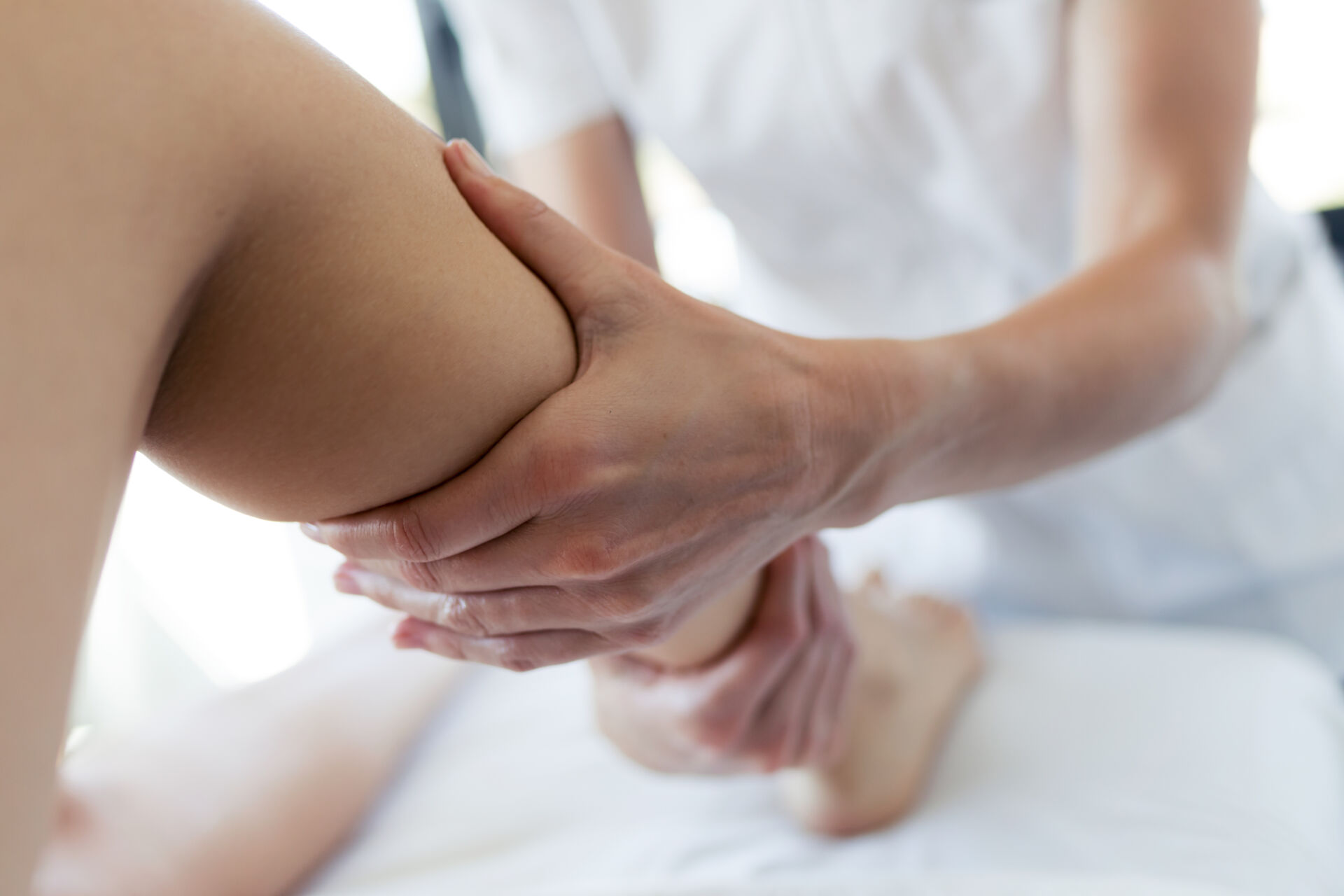
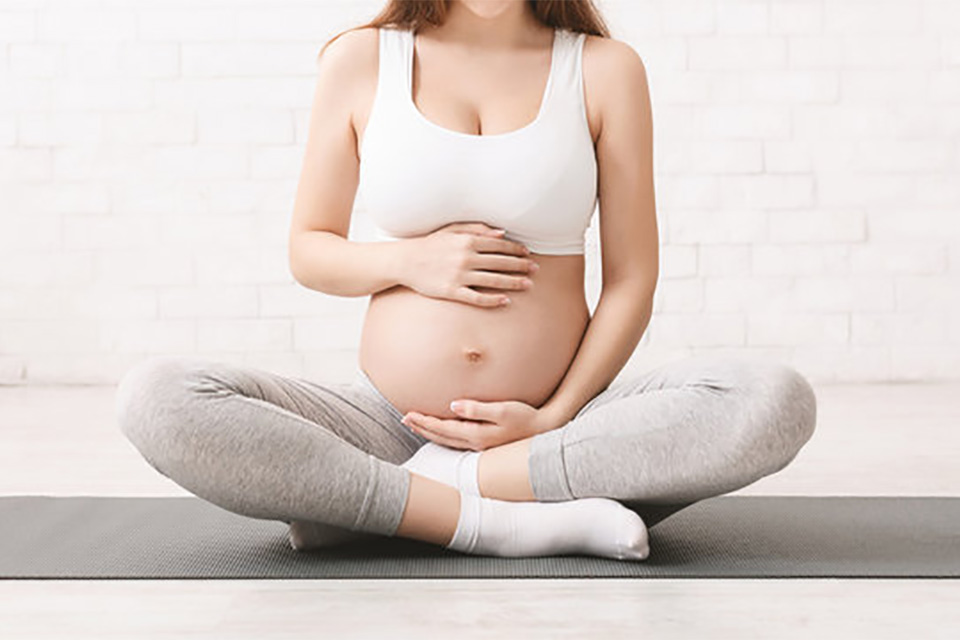

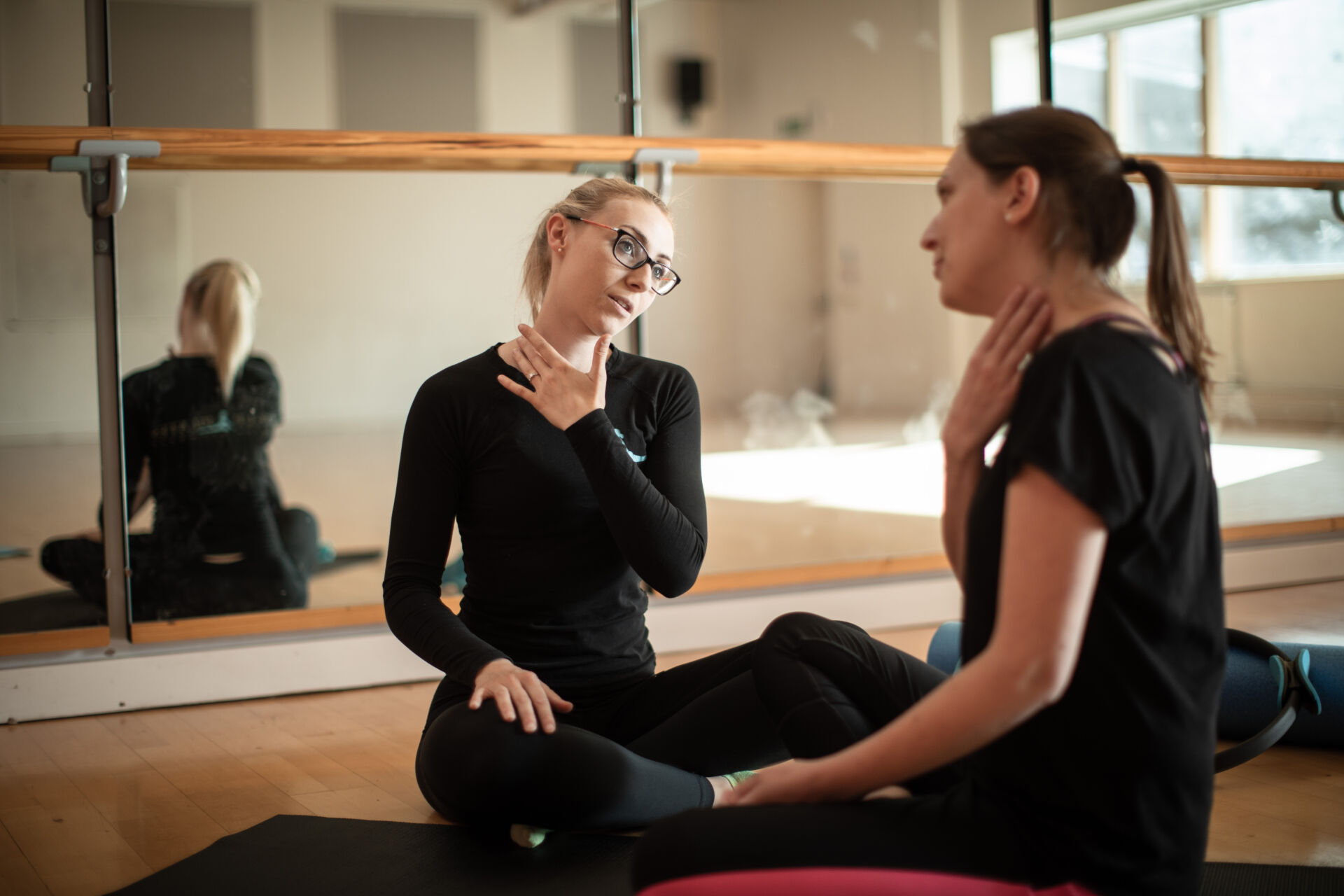
To name just a few! This term we will be looking at each of these benefits in more depth. We will look at what the research shows us and how we can each maximise the benefits in our own lives.
Pilates and Core strength
Core strength training is probably what Pilates is most famous for. But what exactly does this mean?
Core strength is much more than being able to do a sit up or have a six pack.
Think of the roots of a great oak tree, to reach out its branches it needs a strong foundation. In our bodies this strong foundation is provided partly by core muscles. Good core stability allows you to move freely. Poor core stability is linked to pain and dysfunction.
When we think about core stability, we are looking at the balance of:
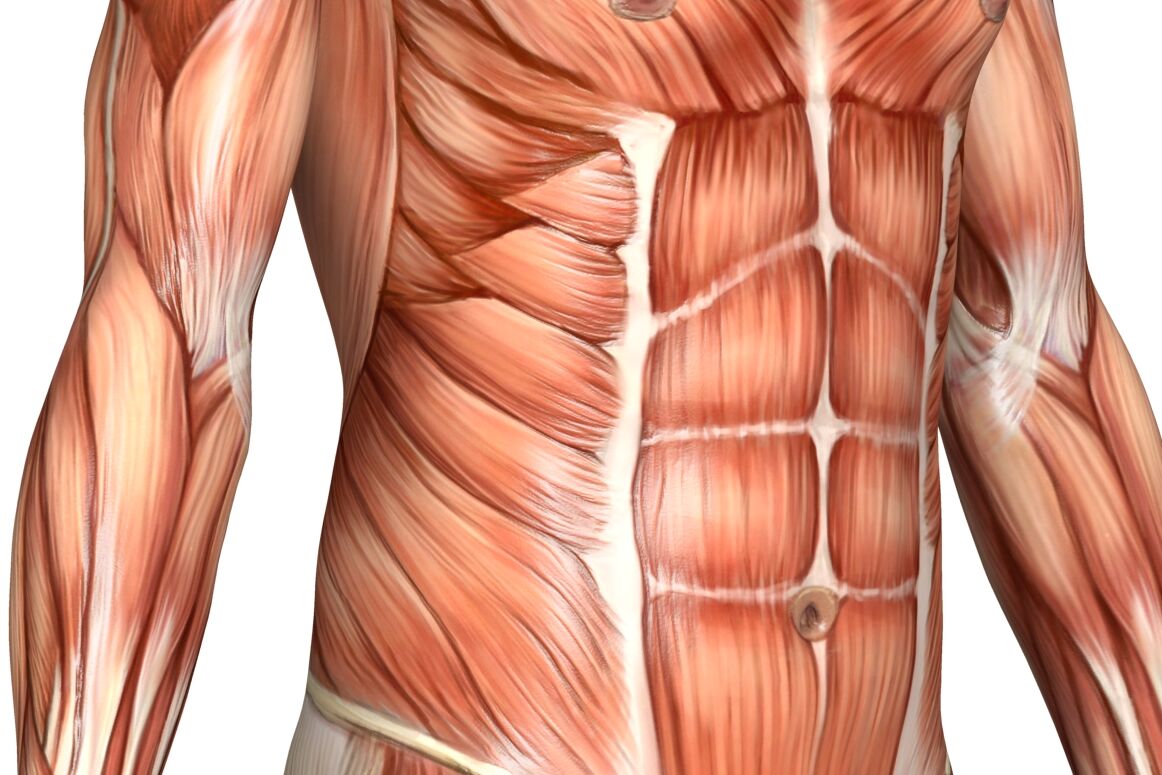
- Abdominal muscles: the strength and balance of deep transverse abdominis muscles, and more superficial obliques and rectus abdominis.
- Global muscles: the balance of other associated muscles, the hamstrings for example
- Spinal muscles and other spinal structures: this includes the big trunk muscles, small spinal stabilising muscles as well as other spinal structures such as the joints, ligaments and discs.
- Diaphragm: your breathing muscle.
- Pelvic Floor muscles: these muscles support us from underneath and have a role in continence. You can find out more about these here
- Neuromuscular control: movement control and co-ordination also involves our neurological systems
Each Pilates class at Pop up Pilates is designed to train all aspects of these systems, balance muscle training to improve both strength and endurance. Ask your physio more in class on week 1 as we look at the founding 5 key principles of Pilates and our core strength.
.
Read more on the links below:
You can also read more about this in our blog on core stability and watch our videos on the 5 key elements in our members area:
What is core stability? How does Pilates help? – Pop-up Pilates
Pilates helps manage back pain
Core stability exercises, like those used in clinical Pilates, have been shown to improve pain and help individuals return to their normal work, hobbies and movements and increase their muscle strength.
Back pain is really common, over 60% of adults will experience lower back pain at some point in their lives. Most cases of back pain are strains or sprains, often due to muscle imbalances, unaccustomed activity or sometimes inactivity. There are lots of things that help us to look after our backs, including keeping our weight healthy, sleeping well, managing stress and exercising.
This week in class we will be looking more at the anatomy of our spine, looking at what the research suggests helps us to keep our backs health and pain free, and your physiotherapist will lead you in a spine healthy workout.

Read more on the links below:
Physiotherapy guided exercises, including clinical Pilates will help you to understand the factors that might be contributing to your back pain, improve your back fitness and address any specific muscles imbalances or movement problems that might be contributing to your pain. If you would like individualised help with your back problems, see your GP, speak to your physio in class or contact us on
Pilates helps us to manage stress
Stress isn’t just unpleasant in itself, it is linked to a myriad of health problems, including heart disease, weight gain, poor sleep and problems with focus and memory. The good new is Pilates helps. Research shows that exercise is a great stress reliever.
Any exercise boosts feel good endorphins, boost self esteem, mood and reduces the risk associated with long term stress. Pilates helps on all these levels.
But Pilates has another stress busting super power. Pilates encourages us to be mindful and body aware in our movements. Mindful movement is about drawing our full attention to our body, what it is feeling, how it is moving. We might focus on our breath at rest, or the sensations felt when moving through a sequence. It is recognising and becoming aware of our body in the here and now.
Bringing our full attention to the moment is a brilliant calming technique. It helps us reconnect with our bodies and our thoughts. Recognising our thoughts, feelings and sensations in the moment can also help us to understand them. And understanding can help us to challenge and deal with things that may be having a negative impact on our lives.
Read more research in the links below:
Exercise and mental health – ScienceDirect
Regular exercise is associated with emotional resilience to acute stress in healthy adults – PMC
If you would like to practice some mindfulness techniques at home check out these helpful links:
Body Scan Meditation – Headspace
Mindfulness exercises and tips – Mind
You can also read more on our blog page here:
Pilates stretches help to improve flexibility
Stress isn’t just unpleasant in itself, it is linked to a myriad of health problems, including heart disease, weight gain, poor sleep and problems with focus and memory. The good new is Pilates helps. Research shows that exercise is a great stress reliever.
Any exercise boosts feel good endorphins, boost self esteem, mood and reduces the risk associated with long term stress. Pilates helps on all these levels.
But Pilates has another stress busting super power. Pilates encourages us to be mindful and body aware in our movements. Mindful movement is about drawing our full attention to our body, what it is feeling, how it is moving. We might focus on our breath at rest, or the sensations felt when moving through a sequence. It is recognising and becoming aware of our body in the here and now.
Bringing our full attention to the moment is a brilliant calming technique. It helps us reconnect with our bodies and our thoughts. Recognising our thoughts, feelings and sensations in the moment can also help us to understand them. And understanding can help us to challenge and deal with things that may be having a negative impact on our lives.

We have lots of flexibility based Pilates workouts on our members area. This is included in any of our course memberships, log in here:
Pilates in Oxford – Members section – Pilates Anytime
The NHS also has a short programme here:
Read more research in the links below:
You can also read more on our blog page here:
Pilates exercises can improve posture:
Postural problems are extremely common. A reduction in physical activity and increase in static, and repetitive positioning in modern life are thought to contribute to this. Evidence suggests that even 30%-50% of children and adolescents have varying degrees of postural problems. Prolonged poor posture places strain on our musculoskeletal system and can cause biomechanical imbalance, pain and functional limitations.
Pilates can help to improve your posture and general musculoskeletal health by strengthening your core, helping to correct tightness, stiffness or habitual movements that might be contributing to poor posture.
This week in class your physio will help you to notice your postural habits and work on your core strength and muscle balance working towards a effortlessly improved posture.

If you are registered on our courses, check out the 10 minute Pilates work out for improved posture on our members area here:
Pilates in Oxford – Members section – Pilates Anytime
Read more research in the links below:
Effects of Pilates exercises on spine deformities and posture: a systematic review – PMC
Effects of Pilates on Body Posture: A Systematic Review – PMC
Pilates exercises make you stronger and increases muscle power:
Muscles that are not regularly used become weaker, tighter and atrophied (wasted). Muscle mass also reduced as we get older. Pilates exercises challenge your muscles to work harder than they usually do and thereby increase in strength, size, power and endurance.
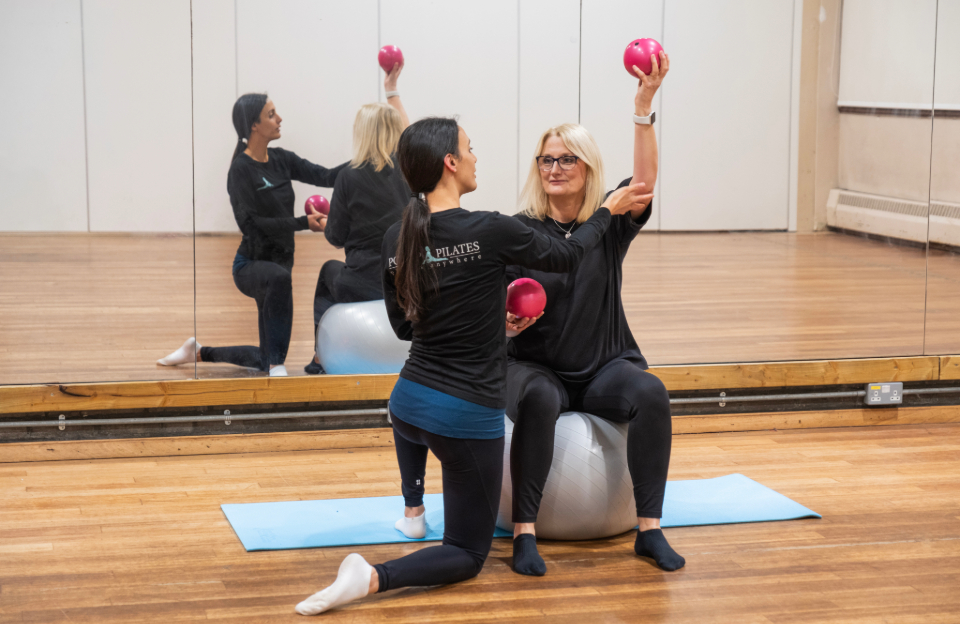
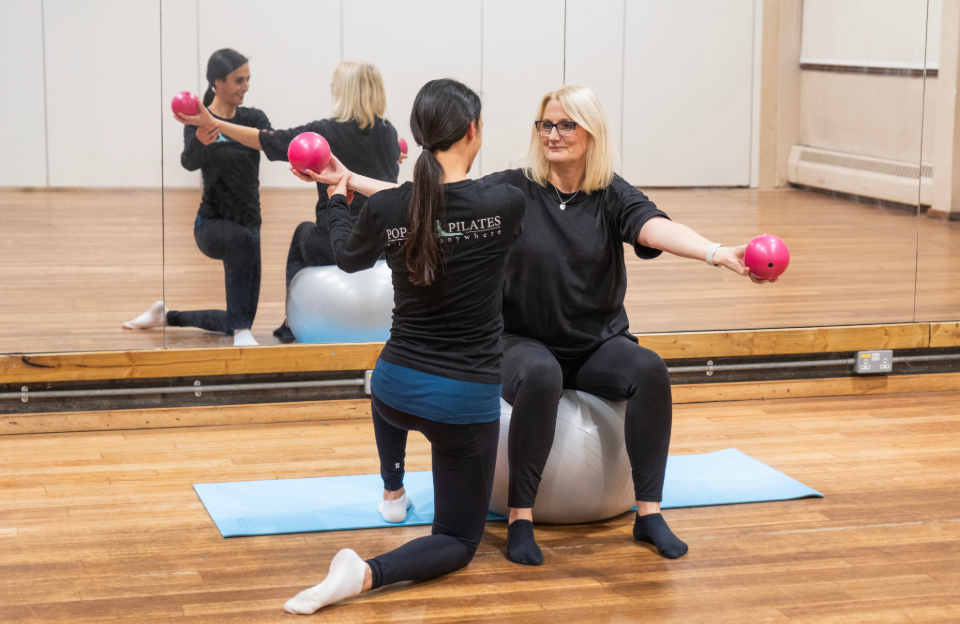
Pilates mostly uses your physiotherapist knowledge of anatomy and physiology alongside your own body weight. We also use small equipment to target particular muscles, the resistance circle (magic circle), small weighted balls and resistance band are all examples of the equipment that we might use to help build muscle strength.
Lot of Pilates exercises focus on strength along the length of a muscle, both when a muscle is shortening (concentric training) and when it is lengthening (eccentric training). This balanced strength training helps to achieve the lean strength than Pilates is famed for.
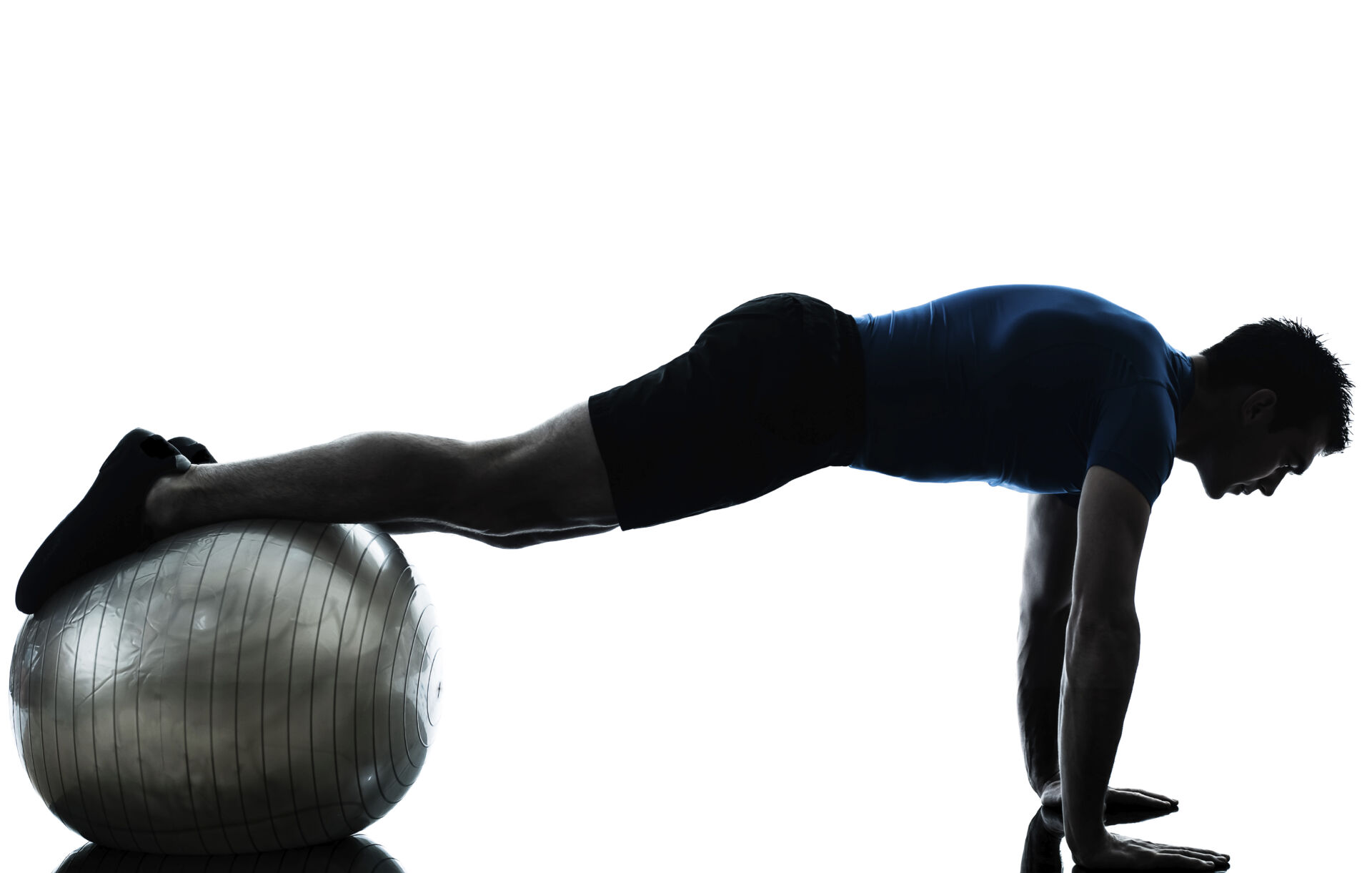
Other examples of strength training include:
Push ups, lifting weights, heavy housework and gardening, hill walking and climbing stairs. The NHS has some general videos that you might find useful:
You can check out some physio guided Pilates strengthening programmes on our members area too:
Pilates in Oxford – Members section – Pilates Anytime
For bespoke strength training plan our physios would be happy to help. Either join our classes or contact us for one to one support on:
You can read lots more on the research and theory behind strength training on the links below:
Pilates and Strength. Will Pilates make me stronger? – Pop-up Pilates
Pilates exercises increase your proprioception:
Proprioception refers to our understanding of where our body is in space and how it is moving. It is a complex process, that includes sensors in our musculoskeletal system that allows us to detect and understand the position of our joints and muscles without looking at them.
Pain and injury can reduce our proprioception as does aging and many disorders and conditions. Reduced proprioception can limit our functional and sporting performance and make us more prone to other or re-injuries. People with hypermobility, such as those with EDS (Elhers Danlos Syndrome) have reduced proprioception and this can make co-ordinating movements much harder. Proprioception can be trained with exercises that help build brain – body communication.
Pilates exercises consciously uses and trains our proprioceptive systems. This week your physiotherapists will be helping you to train proprioception and co-ordination through your class programme.

You can check out some physio guided proprioception and co-ordination work on our members area:
Pilates in Oxford – Members section – Pilates Anytime
You can read lots more on the research and theory behind strength training on the links below:
Pilates exercises can help you prevent injuries:
Did you know that Pilates can help you to get the most out of your other training routines and other sports too? Physiotherapist led Pilates with us aims to help you become a expert in your own body. It aims to help you to understand your strengths, weakness, habits and your movements. It helps you to work on these week on week under the guidance of our physio team. So whether you are a running, cyclist, keen gardener or dancer Pilates can help you achieve the most out of your sport and minimis the risk of injury.
Pilates does this through of the mechanisms we have already discussed this term, helping you be strong, flexible, balanced, co-ordinated and more mindful. This week your physio focus on helping you pull all of this together in a way that is personalised for you.