Benefits of Postnatal Pilates
The postnatal period can be magical but there is no denying that it is also physically and mentally exhausting. After pregnancy and birth your body changes and some women have some physical problems, including back and pelvic pain, pelvic floor weakness or separated stomach muscles. Gentle, supported exercise can help all of these.
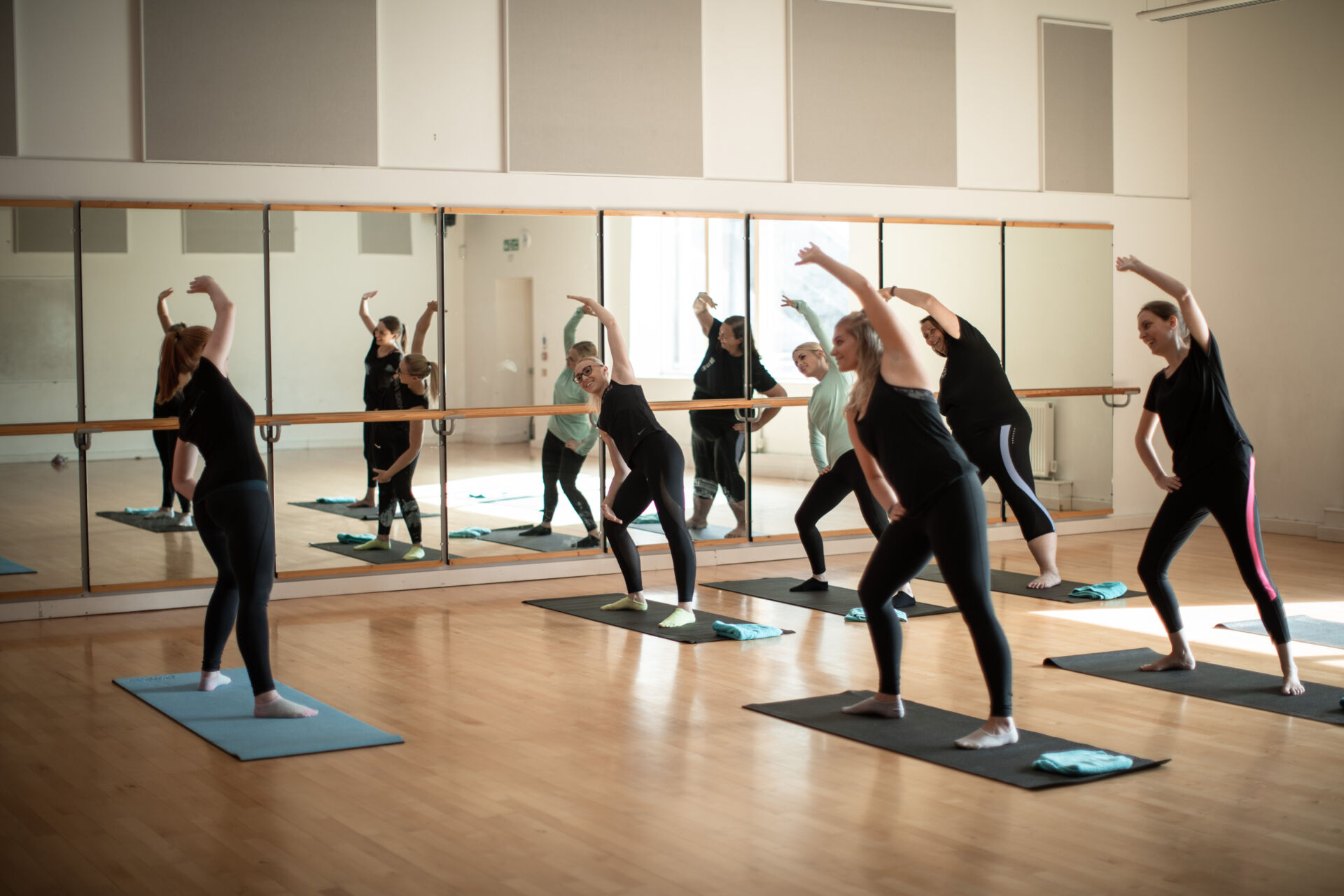
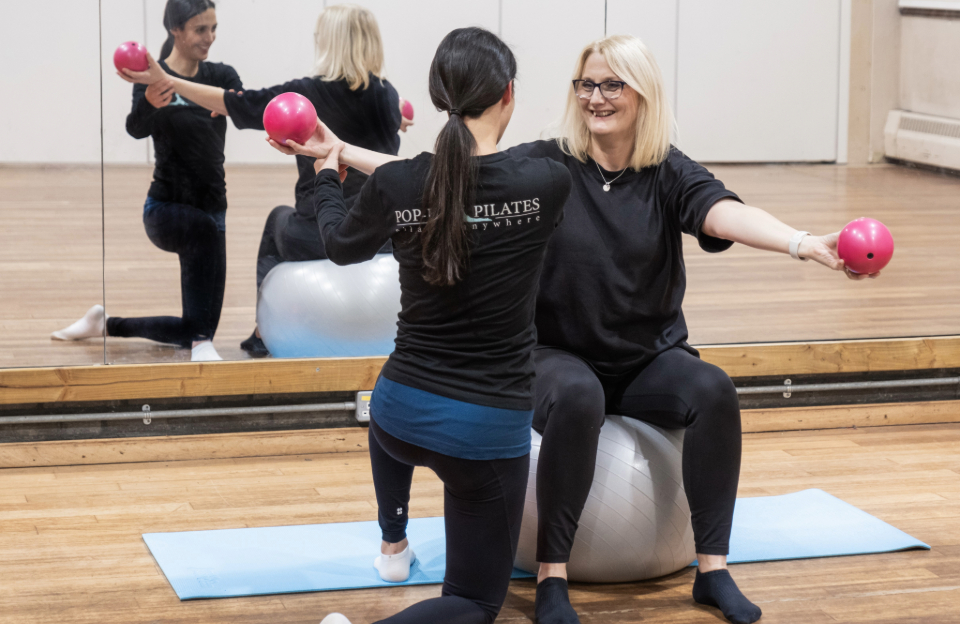
Maintaining a healthy, balanced exercise routine in the postnatal period is important for physical and mental well-being. Physiotherapist led Pilates is a safe, targeted non impact exercise that is suitable from 6-12weeks post birth (depending on how you delivered your baby). If you are new to exercise start gently and speak to your midwife, or one of our pelvic health physios for guidance, we would love to help.
How can Postnatal Pilates help me?
Postnatal Pilates can help improve your posture and support neck and shoulder
During pregnancy, your centre of gravity shifts forward causing a slightly increased curve in the lower back which can lead to pain. This can persist after birth because the abdominal muscles remain weak. Postnatal Pilates helps to strengthen these muscles and support spines, necks and shoulders.
Postnatal Pilates also assists with the physical demands of motherhood, such as carrying your baby, breastfeeding, and lifting by strengthening postural muscles and improving spinal mobility.
Postnatal Pilates Improves your Core Strength:
During pregnancy, the abdominal muscles have to lengthen to accommodate your growing baby and this can lead to weakness. Pilates focuses on strengthening the muscles of the core, which includes the abdomen, lower back, and pelvic floor. Postnatally, Pilates follows a progressive graded plan to help you strengthen the deep core muscles, rehabilitate the superficial muscles building strength, tone, endurance and co-ordination.
Postnatal Pilates helps pelvic floor awareness and strength:
The pelvic floor is a group of muscles that support the uterus, bladder, and bowel. Pregnancy and childbirth put a lot of pressure on the pelvic floor, which can lead to issues like incontinence and pelvic organ prolapse. Pilates is particularly effective in improving awareness and strengthening the pelvic floor muscles, which can improve bladder control and overall pelvic health. Our pelvic health specialist physiotherapy team also offer pelvic floor workshops and advice sessions in our free to attend postnatal conversation sessions. Email us on admin@pop-up-pilates.com for more information.
Postnatal Pilates helps reduce pelvic girdle pain, back pain and hip pain
Pelvic girdle pain and lower back pain are common in the postnatal period. Pilates can help address this by strengthening the muscles around the hips and back and improving mobility in the joints.
Postnatal Pilates follows a graded programme to help you to gain strength, endurance and stability at the pace that is right for you. From gentle stretched to returning to running, our postnatal programmes support you every step of the way.
Postnatal Pilates aids mind-body connection:
Having a young child is exhausting! Pilates offers a fantastic way to connect with your body, improving both your physical and mental well-being. The focus on breathwork and mindful movement can help you reconnect with your changed body and be present in the moment.
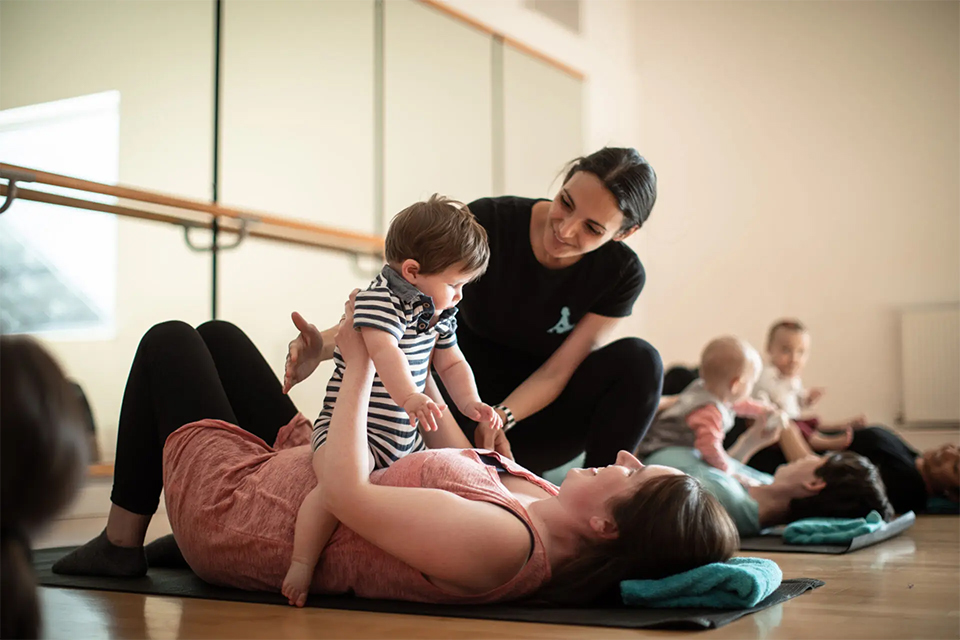
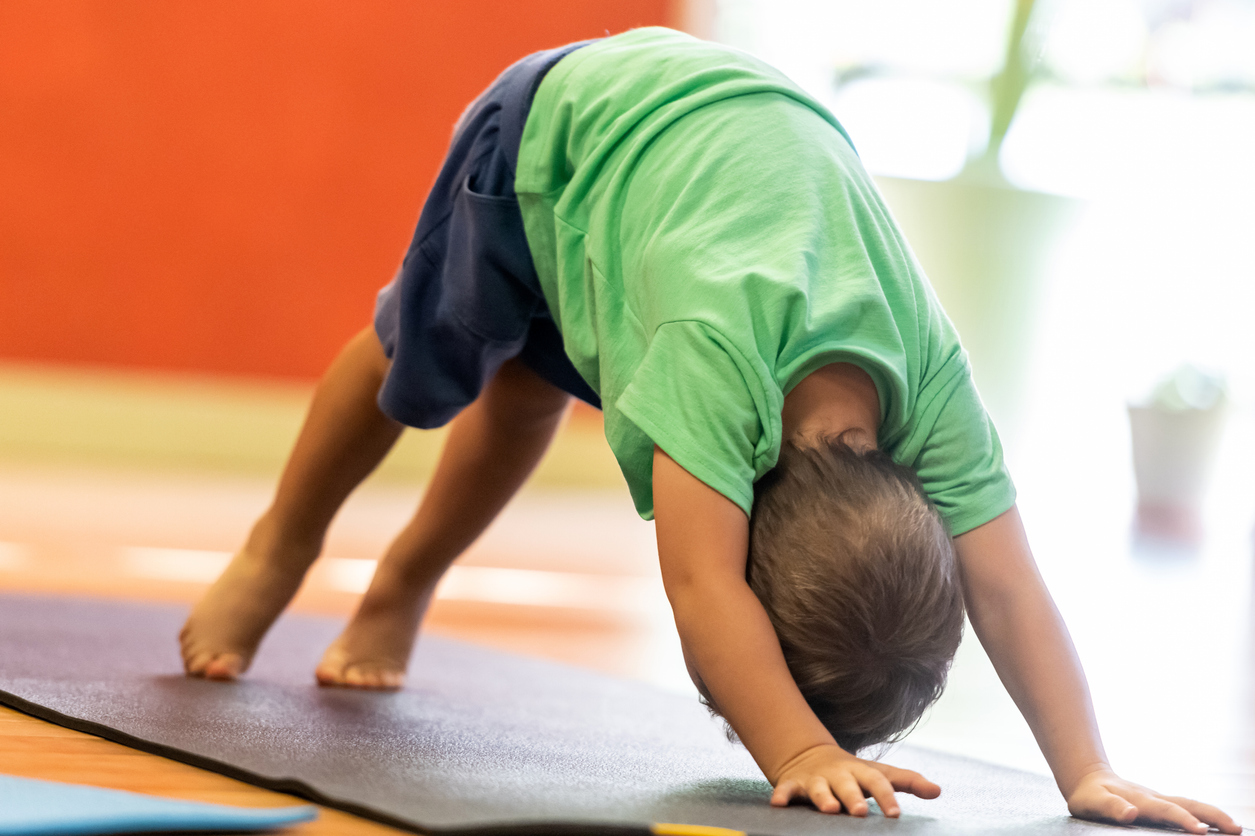
If you need to bring your baby or child with you to class we do our best to make this as relaxing as possible, with lots of toys and space to keep little ones entertained whilst you focus on you.
Postnatal Plates helps reduce stiffness
Pilates encourages flexibility and joint mobility through controlled stretching exercises. Pregnancy and the demands of motherhood postnatally can often cause muscle tightness and stiffness, particularly in the lower back, hips, and shoulders. Pilates can help release tension in these areas and improve flexibility, allowing you to move more comfortably.
Postnatal Plates helps you to return to other exercise forms
Pilates is a low impact exercise and therefore a great starting point when considering returning to exercise postnatally. Whether you are looking to return to running, cycling, swimming or be able to walk longer distances, Pilates can support you to build the strength and stability needed to return to exercise safely.
Postnatal Plates offers a supportive community
Joining a Pilates class can provide emotional support during pregnancy and the postnatal period. We have weekly tea/coffee mornings in between classes where we provide specialist pelvic health educational support for our postnatal clients, and we have an incredible community of women (and babies!) who attend our classes.