Why physiotherapists make great Pilates teachers
The Benefits of physiotherapist Pilates are outstanding.
Blog by Lauren Mcleod

Why Physiotherapists Deliver a Unique Style of Pilates
Pilates is a fantastic way to build strength, improve flexibility, and enhance overall movement, but when taught by a physiotherapist, it takes on a whole new level of precision and effectiveness.
What Makes Physio-Led Pilates Different & The Benefits of Physiotherapist Pilates
Physiotherapists bring expert knowledge of anatomy, rehabilitation, and injury prevention, allowing them to tailor Pilates exercises to individual needs. Here’s how their approach stands out:
- Injury Prevention & Recovery – Physios understand how the body moves and can modify exercises to support recovery from injuries or surgeries.
- Personalised Adjustments – They assess posture, muscle imbalances, and movement patterns to create a customised Pilates experience.
- Clinical Expertise – With a deep understanding of conditions like back pain, joint issues, and postural dysfunctions, physios ensure exercises are safe and effective.
- Hands-On Feedback & Manual Techniques – In 1:1 sessions, physiotherapists can combine Pilates with their hands-on clinical skills. If stiffness is limiting a movement, they don’t just cue differently — they can use manual techniques such as joint mobilisations or soft tissue massage to help release the restriction, then immediately integrate that new movement into the Pilates work. This blending of exercise and manual therapy is something only a physio-led session can offer.
- Focus on Functional Movement – Physio-led Pilates isn’t just about fitness — it’s about helping people move better in daily life.
Tailored to You — From Planning to Execution
The personalisation in physio-led Pilates happens long before you step into the studio. When planning a class, a physiotherapist is thinking about each client in the room — their needs, their goals, and what they’re able to do right now. They consider what’s holding each person back from what they’d like to achieve, then use Pilates exercises alongside their understanding of exercise science and rehabilitation principles to bridge that gap.
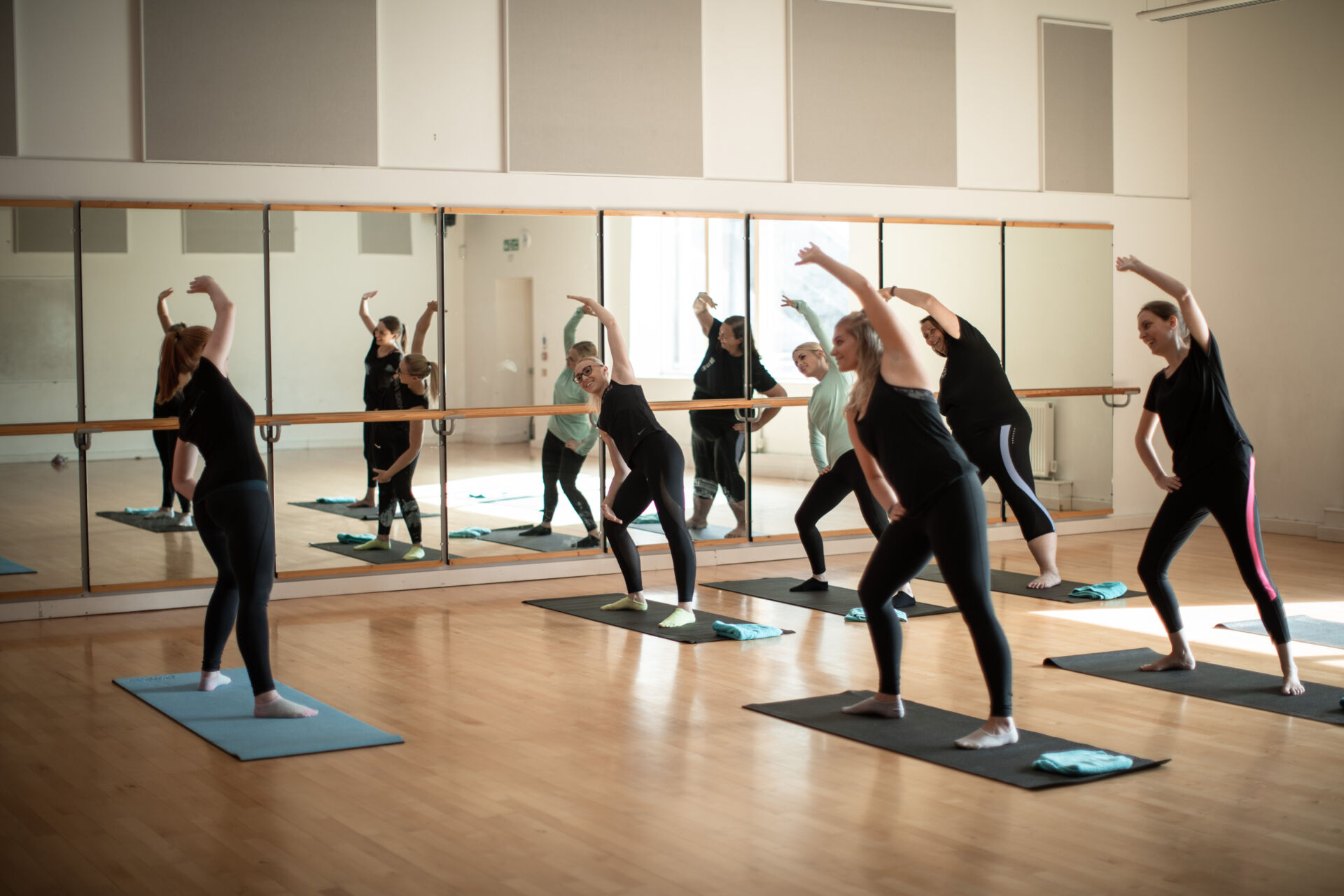
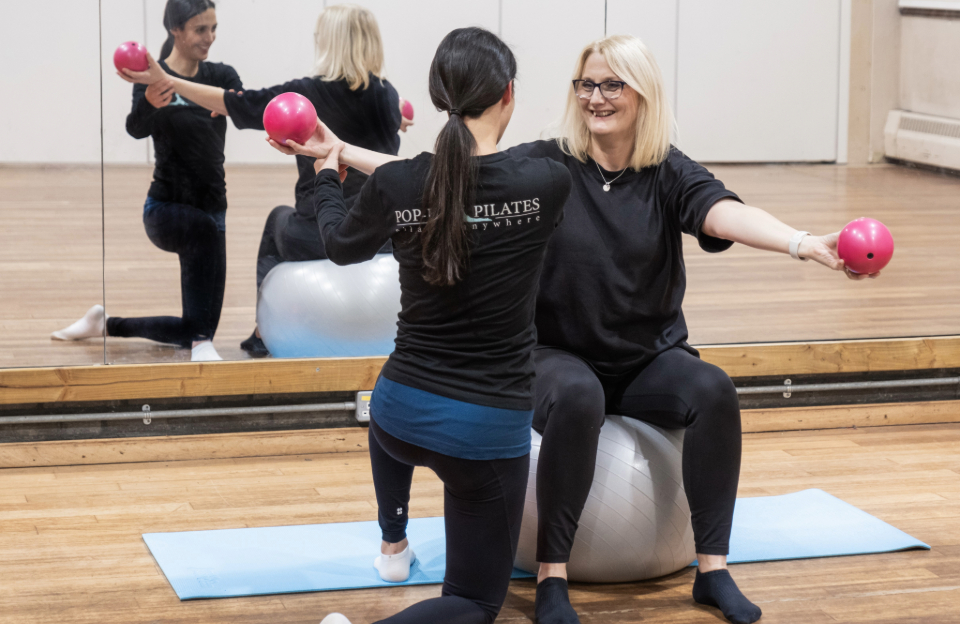
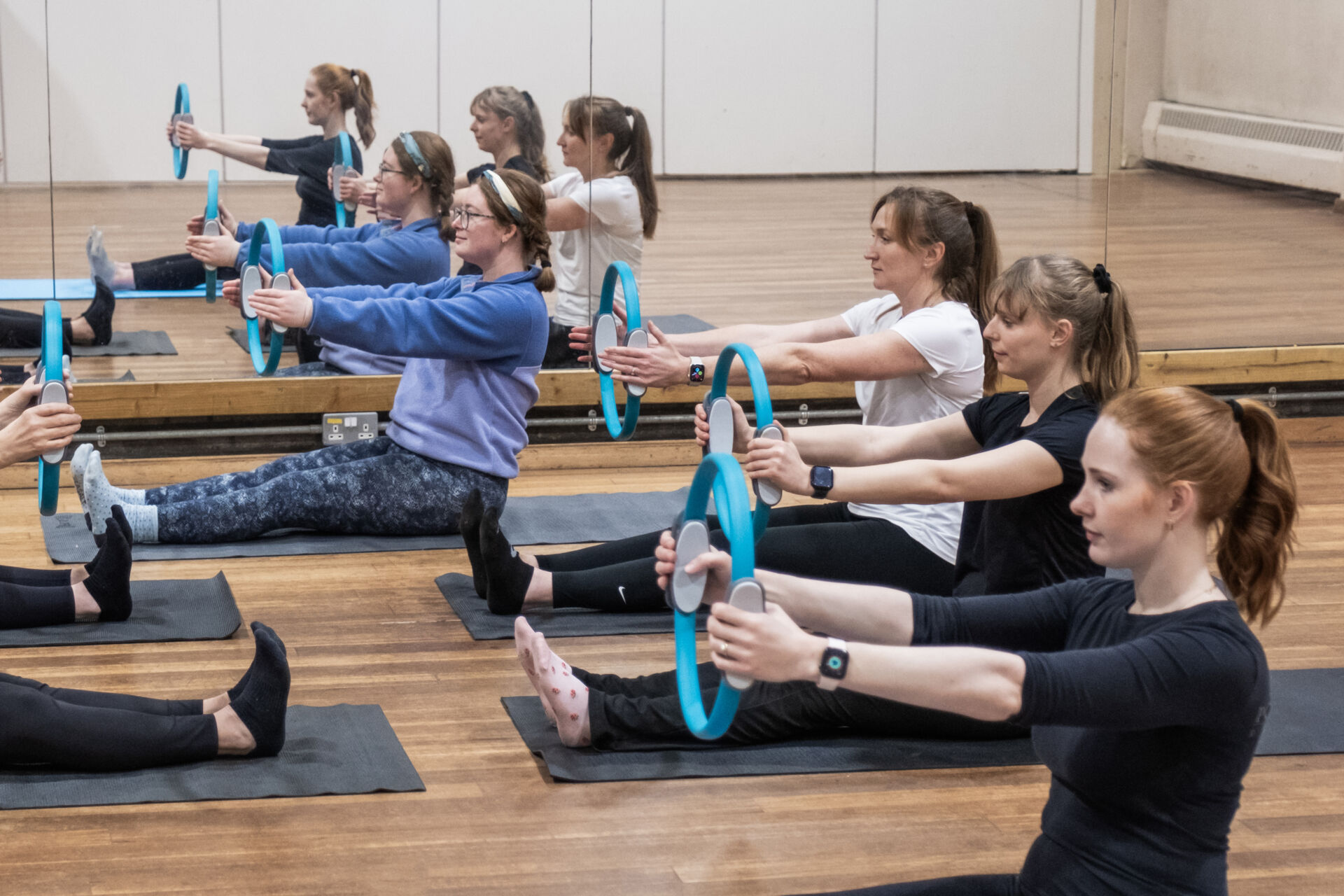
In the class itself, that planning translates into action. Exercises are offered with a range of variations to cover the breadth of needs in the room, and the instructor moves around to check technique and offer individual corrections — so even in a group setting, each person receives guidance tailored to them.
Who Can Benefit?
Physio-led Pilates is ideal for:
- People recovering from injuries
- Those with chronic pain or mobility issues
- Athletes looking for injury prevention
- Anyone wanting a deeper understanding of movement and posture
The Best of Both Worlds
While traditional Pilates focuses on strength and control, physiotherapists integrate rehabilitation techniques to make it even more effective. Whether you’re looking to recover, strengthen, or improve mobility, physio-led Pilates offers a scientific, expert-driven approach to movement.
Want to experience the benefits first hand? Check out Pop-Up Pilates for expert-led classes designed to support your body’s unique needs!